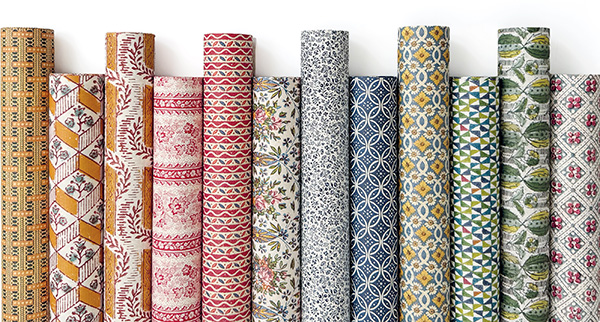
The History of Remondini Paper
The history of Remondini decorative paper dates back to 1657, when Antonio Remondini founded the printing house in Bassano, starting a dynasty that would span nearly three centuries.

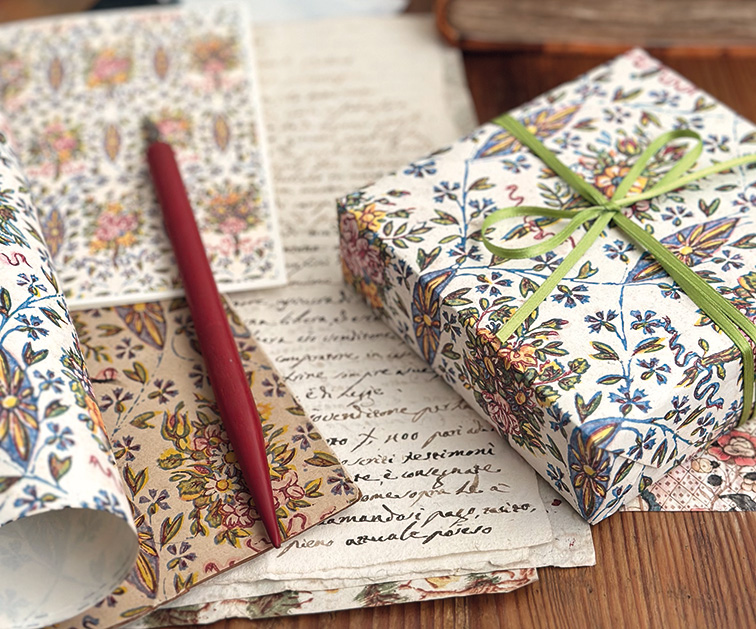
In the first edition (1781) of Diderot and D’Alembert's Encyclopédie — described as a "universal compendium of knowledge" — the entry for Bassano states: "a small town on the Brenta, well known for its large Remondini printing house which employs 1,500 to 1,800 people. There are 50 presses for books and prints, paper mills, foundries, and golden paper manufacturers."
In 1861, primarily due to disputes among heirs, the Remondini firm ceased operations.
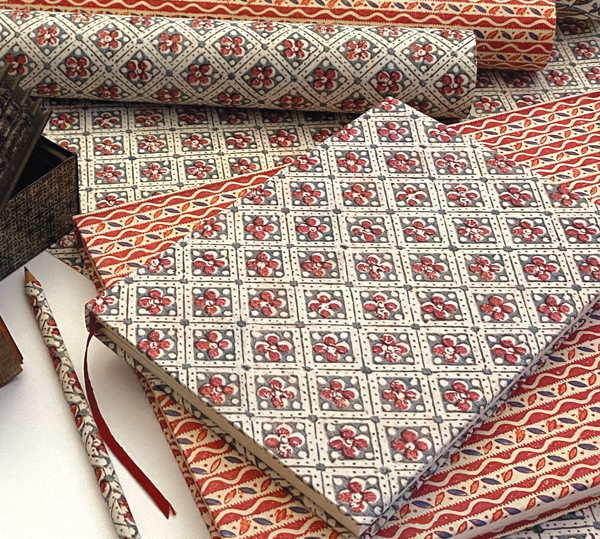
The woodblocks for the woodcut printing of the papers ended up in Varese, purchased by the Molina paper mill. For several decades, they printed various decorative papers, giving rise to the name "Carta Varese" (Varese Paper).
In the 1940s, this production also ceased, and in 1958, the Molina heirs donated all the engraved woodblocks back to their city of origin, Bassano del Grappa.
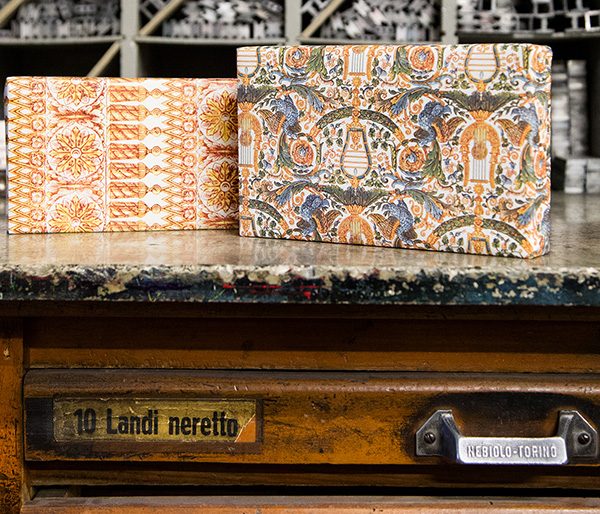
In 1957, the young printer Giorgio Tassotti, fascinated by the long Remondini history and collaborating with the City Museum, took up the mantle. He introduced facsimile copies of historical decorative papers to a challenging niche market. Over the decades, these have been integrated with new colour variants, making the product a unique international benchmark for craftsmanship and culture.
In continuity with this tradition, every year we revive certain Remondini patterns from our collection, whose graphic and decorative value continues to be a source of great inspiration.
Reworked by our graphic department with styles and colour palettes in line with modern trends, they are always among the most appreciated patterns in every collection, confirming their timeless beauty and their artistic and historical value.
In 1861, primarily due to disputes among heirs, the Remondini firm ceased operations.
The woodblocks for the woodcut printing of the papers ended up in Varese, purchased by the Molina paper mill. For several decades, they printed various decorative papers, giving rise to the name "Carta Varese" (Varese Paper).
In the 1940s, this production also ceased, and in 1958, the Molina heirs donated all the engraved woodblocks back to their city of origin, Bassano del Grappa.
In 1957, the young printer Giorgio Tassotti, fascinated by the long Remondini history and collaborating with the City Museum, took up the mantle. He introduced facsimile copies of historical decorative papers to a challenging niche market. Over the decades, these have been integrated with new colour variants, making the product a unique international benchmark for craftsmanship and culture.
In continuity with this tradition, every year we revive certain Remondini patterns from our collection, whose graphic and decorative value continues to be a source of great inspiration.
Reworked by our graphic department with styles and colour palettes in line with modern trends, they are always among the most appreciated patterns in every collection, confirming their timeless beauty and their artistic and historical value.